How Brazilian Consumers Decide to Buy
 Paulo Wesley·
·4 min read

Brazilian consumers decide on an online purchase through four filters: trust (is this company real and does it solve problems?), installment (does the amount fit this month's budget?), easy payment (is there Pix and installments?) and service (can I talk to someone, preferably on WhatsApp?). The market is large: according to ABComm, Brazilian e-commerce had 91.3 million shoppers in 2024, with revenue of R$ 204.3 billion and an average ticket of R$ 492.40.
1. Trust comes first
Brazilians are used to hearing about online scams and are wary of unknown stores, especially foreign ones. Before buying, they usually:
- Look the company up on Reclame Aqui, the website where consumers file complaints and companies respond publicly. A good reputation there is worth a lot; not being there at all also raises questions for larger brands.
- Read reviews on the website, on Google and on marketplaces.
- Look for signs of a real company: CNPJ in the footer, address, phone or WhatsApp, active social profiles.
- Check whether real Brazilians use and recommend the product.
For a foreign company, this means investing in local social proof and visible contact channels. See influencer marketing in Brazil.
2. The installment that fits the month
Brazilians do the math by installment. A R$ 1,200 product is seen as "12x R$ 100". That is why interest-free installments are such a large share of card purchases. Learn more in installments in Brazil: why Brazilians pay in 10x.
3. Easy, local payment
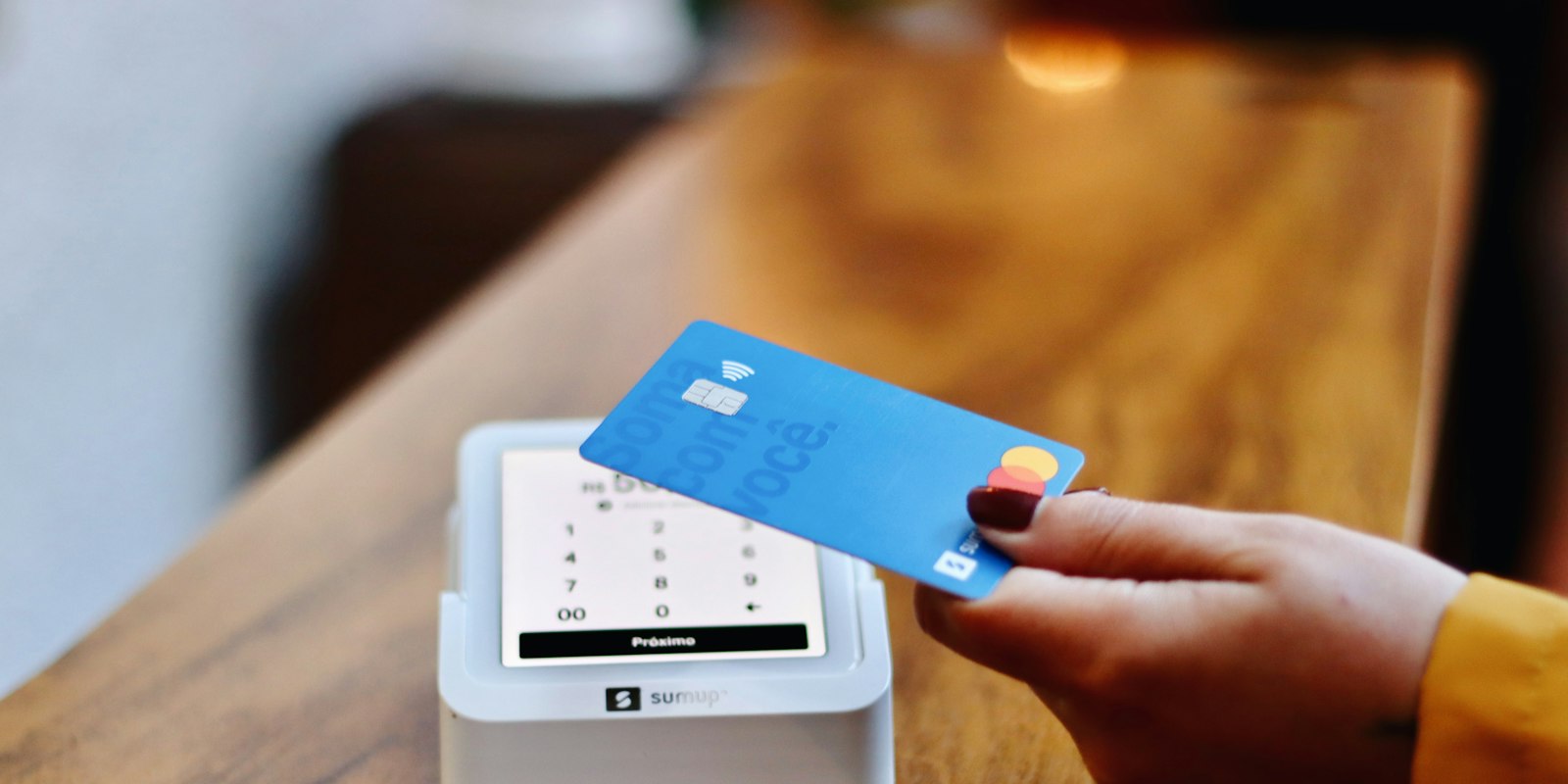
Pix and credit cards are the two most used methods in e-commerce. A discount for paying with Pix is one of the most common tactics in Brazilian online retail. Charging in foreign currency, on the other hand, drives customers away: they do not know how much they will pay in the end, and they also pay IOF. See the most used online payment methods in Brazil.
4. Fast, human support
Brazilians like to ask questions before buying and expect quick answers. WhatsApp is the preferred channel. A store that replies within minutes converts much more than one with only an email form. See WhatsApp for business: how Brazil sells through chat.
5. Shipping and delivery time
Large marketplaces have trained consumers to expect free shipping and delivery within a few days in state capitals. Expensive shipping is one of the biggest reasons for cart abandonment. Show shipping cost and time early, ideally from the CEP on the product page. See Mercado Livre and marketplaces in Brazil.
Consumer rights
The Consumer Defense Code (CDC), from 1990, is a strong law that the population knows well. Points every company selling to Brazilian consumers must know:
- Right of withdrawal: for purchases made outside a store, such as online, consumers can withdraw within 7 days, with a refund (Article 49).
- Clear information: total price, interest, number of installments, product features and supplier details must be clear.
- Legal warranty: products have a legal warranty, in addition to any warranty the company offers.
- Procon and the courts: consumers can complain to Procon agencies and small claims courts at no cost.
Brazil is not a single market
The country has 213 million inhabitants, according to IBGE, spread across regions with different incomes and habits. The Southeast, and São Paulo state in particular, concentrates much of the income and online spending, but the South, Northeast and Center-West have large and growing markets. Shipping, delivery times and even vocabulary change from one region to another. If you are still comparing Brazil with other countries in the region, see Brazil or Mexico: which market to choose.
How to adapt your offer
- Show trust signals: reviews, Brazilian cases, visible contact and, when you have one, a CNPJ.
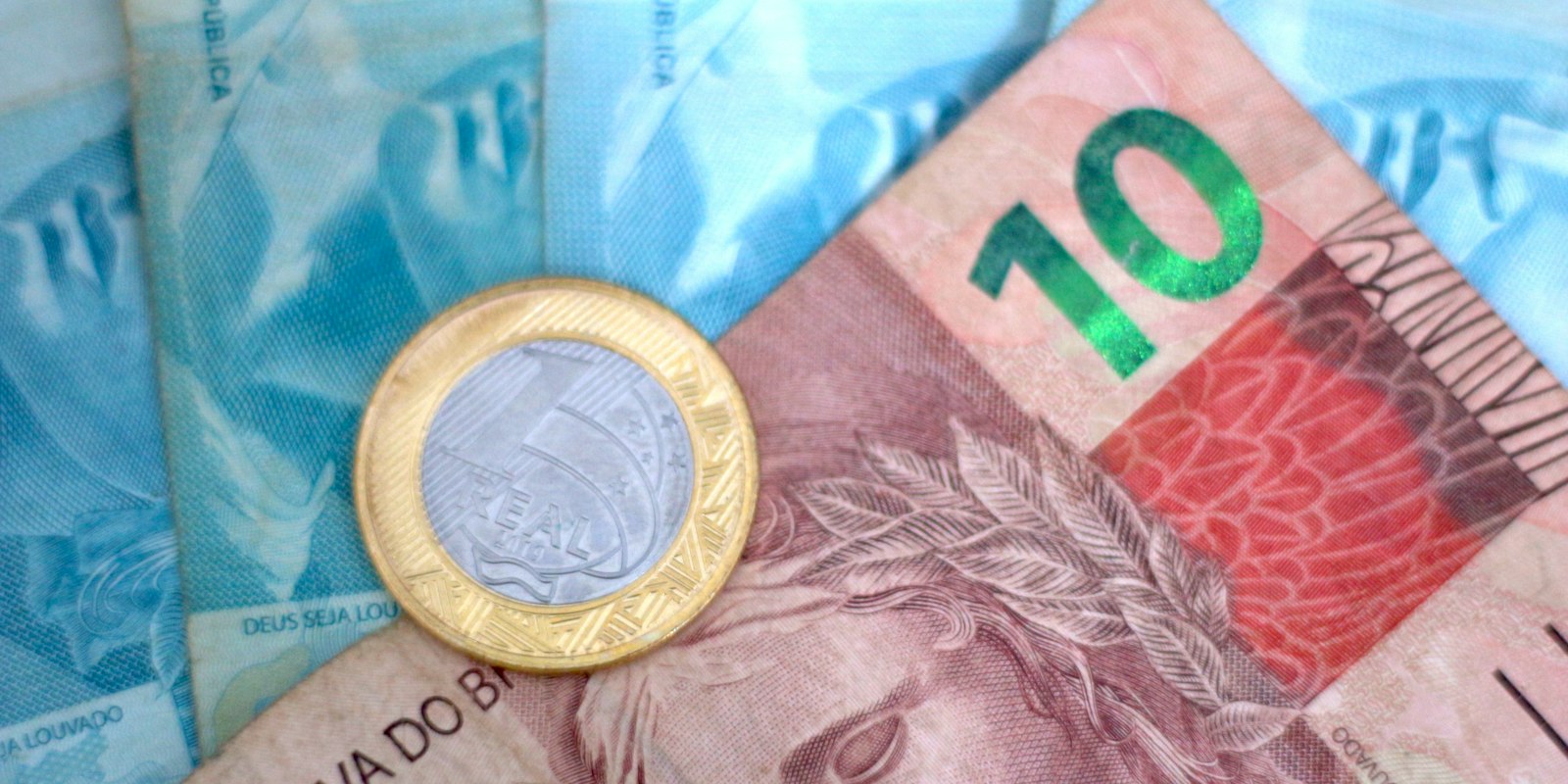
- Price in reais, highlighted installments and a Pix discount.
- A WhatsApp button on every important page.
- Shipping cost and time visible from the CEP.
- A clear return policy, including the 7-day right of withdrawal.
- Copy in Brazilian Portuguese, with a warm tone. See Brazilian Portuguese: why translation is not enough.
Summary
Brazilian buyers are digital, demanding and just wary enough. The winners are those who inspire trust, make payment easy with Pix and installments, and reply fast. To adjust your price to this buyer, see how to price in Brazilian reais. If you want help adapting your offer to Brazil, talk to BrazilDoor.
Frequently asked questions
How many people shop online in Brazil?
According to ABComm, there were 91.3 million online shoppers in 2024, with 414.9 million orders and an average ticket of R$ 492.40.
What is Reclame Aqui?
It is a website where consumers file complaints against companies, which respond publicly. Brazilians check Reclame Aqui reputations a lot before buying.
Can consumers return an online purchase in Brazil?
Yes. Article 49 of the Consumer Defense Code guarantees the right to withdraw within 7 days of purchase or delivery, with a refund of the amounts paid.
What influences online purchases most in Brazil?
Trust in the company, installments that fit the budget, Pix and cards at checkout, shipping cost and time, and fast support, especially on WhatsApp.
Sources
About the author
Business consultant with a degree in Accounting, MBA in Finance (UFRJ) and certified financial market analyst. Since 2014 he has helped companies from more than 10 countries understand and enter the Brazilian market.
Planning to sell in Brazil?
Tell us about your product. Paulo replies personally with the next steps.